
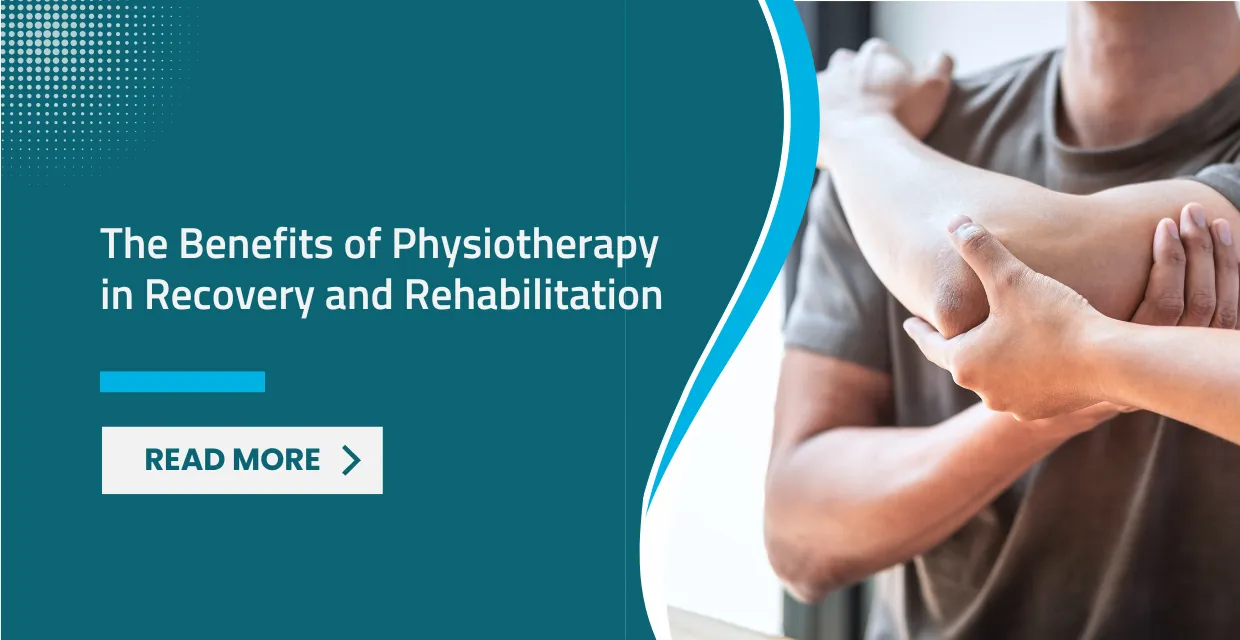
Why Physiotherapy is Non-Negotiable After Surgery: The Role of Rehabilitative Medicine
When you undergo a major surgery—whether it's an orthopedic hip replacement, a spinal decompression, or even a cardiac procedure—the moment you leave the operating table is not the end of your journey. It is actually the "Starting Line." Many patients believe that if the surgeon did their job perfectly, the body will simply "heal itself" back to normal.
The truth is more complex. While a surgeon repairs the anatomy, a physiotherapist restores the **function**. Without correct rehabilitation, the best surgical outcome can be ruined by scar tissue, muscle atrophy, and secondary injuries. At LifeCare Hospitals Kenya, we view surgery and physiotherapy as a single, unified treatment plan. in this blog, we explain why post-surgical rehab is essential for your recovery.
1. Preventing Life-Threatening Complications
In the first 48 hours after surgery, the biggest risks are not the surgery site itself, but the effects of being immobile.
- Deep Vein Thrombosis (DVT): Lack of movement can cause blood clots in the legs. These can travel to the lungs (Pulmonary Embolism) and be fatal. Physiotherapy includes specific "circulation exercises" to keep blood flowing.
- Pneumonia: After anesthesia, fluid can build up in the lungs. Our therapists teach "chest physiotherapy"—breathing techniques that clear the lungs and prevent infection.
2. Managing Pain and Reducing Medications
Many patients are surprised to learn that movement often reduces pain
more effectively than pills.
Pain after surgery is often caused by swelling and "guarding" (when
muscles around the site tense up). Physiotherapists use gentle manual
techniques and specific movement patterns that "flush" out the
inflammatory fluid, reducing pain and the need for heavy, habit-forming
opioid painkillers.
3. Controlling Scar Tissue
Scar tissue is like internal glue. It is necessary for healing, but if it
is allowed to grow unchecked and "harden," it acts like a cage around
your joint or muscle. This leads to permanent stiffness.
Physiotherapists at LifeCare perform specific "scar tissue
mobilization." By moving the tissue at the right intervals during the
healing process, we ensure the scar remains flexible, allowing for a
full range of motion.
4. Reversing Muscle Atrophy
The body is incredibly efficient—if you don't use a muscle, the body
stops sending it nutrients. After just 72 hours of complete rest,
muscles begin to "waste away" (atrophy).
Post-surgical physio uses targeted, low-impact muscle activation. Even
if you can't walk yet, we use techniques to keep the "firing patterns"
of your muscles active so that when you are cleared for full movement,
your muscles are ready to support you.
5. Neuromuscular Re-education
If you've had a joint replaced or a nerve repaired, your brain needs to
"re-learn" how to communicate with that body part.
We focus on Balance and Proprioception—the sense of where your limb is
in space. Without this re-education, you are at a much higher risk of
falling and re-injuring the surgical site or the other side of your body
(compensatory injury).
6. The LifeCare Multi-Disciplinary Approach
At LifeCare Hospitals, your physiotherapist isn't working in a vacuum.
- Surgeon Feedback: Our therapists have direct access to your surgical records and can speak daily with your surgeon to adjust the intensity of your rehab based on what the surgeon saw "on the inside."
- Advanced Technology: From hydrotherapy (if available) to specialized electrical stimulation, we use clinical tools that aren't available in general gyms or smaller clinics.
- Psychological Support: Recovery is mentally tough. Our team provides the encouragement and milestones needed to keep you motivated through the weeks of rehab.
Conclusion: Completion of the Cure
Think of surgery as the "software update" and physiotherapy as the "hardware calibration." You need both for the system to work. Skipping your rehab is like buying a Ferrari but never checking the tires—the engine is powerful, but you won't get very far.
LifeCare Hospitals Kenya is a leader in rehabilitative medicine. Our goal is not just to get you "walking"—it's to get you back to the life you had before the injury, or even better. If you have an upcoming surgery, or if you've recently had one and feel stuck in your recovery, come and see us. Let’s finish the cure together. Your journey to mobility ends with a successful rehab.
Frequently Asked Questions (FAQs)
When should physiotherapy start after surgery?
**Often within 24 hours.** For orthopedic surgeries like hip or knee replacements, we aim to have you standing or sitting on the edge of the bed on Day 1. Early movement is the best way to prevent complications.
Will rehab be painful?
There will be "discomfort," but there should not be sharp, unbearable pain. We work within your "pain threshold" and coordinate session times with your medication schedule to ensure you are as comfortable as possible while you work.
How long does post-surgical rehab last?
It varies. A simple arthroscopic knee "cleanup" might need 6 weeks of rehab. A complex spinal surgery or a full hip replacement can involve 3-6 months of progressive therapy to reach 100% function.
Can I do my exercises at home?
**Yes, and you must.** The sessions at the hospital are for advanced manual therapy and assessment, but the daily "repetitive training" happens at home. We provide clear, illustrated programs for all our LifeCare patients.