
Maintaining Bone Health: A Blueprint for a Lifetime of Mobility
Your bones are more than just the frame that holds you up. They are a living, dynamic tissue that protects your organs, stores vital minerals, and provides the leverage needed for every movement you make—from walking through the streets of Nairobi to embracing a grandchild. Yet, for many of us, bone health is something we don't think about until a fracture occurs or we start to feel the "creak" of aging joints.
Bone density naturally peaks in your late 20s. After that, we are in a constant battle to maintain what we have. At LifeCare Hospitals Kenya, our orthopedic department believes that "Prevention is better than replacement." in this blog, our consultant orthopedic surgeons share the essential blueprint for keeping your skeletal foundation strong through every decade of life.
1. The Nutritional Foundation: Calcium and Beyond
Bones are essentially reservoirs of Calcium. If your body doesn't get enough Calcium from your diet, it "steals" it from your bones.
- The Target: Most adults need about 1,000 to 1,200 mg of Calcium daily.
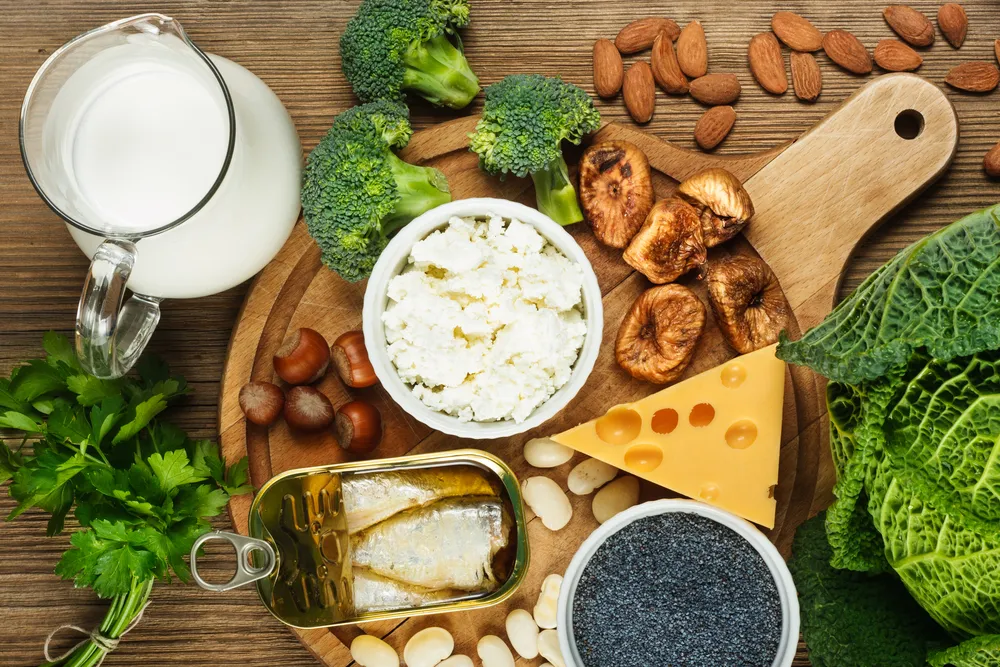
- Kenyan Power Foods: Beyond dairy, incorporate traditional greens like *Managu* (Black Nightshade) and *Terere* (Amaranth), as well as small fish like *Omena* (eat the bones!), and beans.
- Protein: Many people forget that bone is about 50% protein. Ensuring adequate lean protein intake is vital for maintaining the "collagen" matrix that gives bones their flexibility.
2. Vitamin D: The "Key" to the Bone
You can eat all the calcium in the world, but without Vitamin D, your
body can't absorb it. Think of Vitamin D as the key that unlocks the
door to your bones.
Despite Kenya being on the equator, we see high rates of Vitamin D
deficiency. This is often due to indoor lifestyles, use of sunscreen, or
darker skin pigmentation which requires more sun exposure to produce
Vitamin D. We recommend:
- 15-20 minutes of morning sun exposure daily.
- Incorporating Vitamin D-rich foods like fatty fish (Tilapia, Nile Perch) and egg yolks.
- Checking your levels at LifeCare—supplements are often necessary and very effective.
3. Weight-Bearing Exercise: The "Work" of Bones
Bones are like muscles—they get stronger when they have to work against gravity. This is why astronauts lose bone density in space. To keep your bones dense, you must "stress" them safely.
- Safe Options: Brisk walking, hiking, dancing, and climbing stairs are excellent weight-bearing activities.
- Strength Training: Using light weights or resistance bands 2-3 times a week tells your bones to stay "heavy" and dense.
- Avoid High Impact (if you are at risk): If you already have joint issues, consult our physiotherapists for a customized exercise plan that strengthens bones without damaging joints.
4. The Hidden Saboteurs: What to Avoid
Some habits act like a "leak" in your bone health.
- Excessive Salt: High salt intake causes you to lose calcium through your urine.
- Smoking: Nicotine inhibits bone-producing cells. Smokers have significantly lower bone density and take longer to heal from fractures.
- Excessive Alcohol: More than 2 drinks a day interferes with the balance of calcium in the body and increases the risk of falls.
- Soda/Carbonated Drinks: High levels of phosphoric acid in some sodas can leach calcium from the bones.
5. Age-Specific Bone Care
Each life stage has different priorities:
- Teens & 20s: The "Bank Account" phase. Build as much density as possible.
- 30s & 40s: The "Maintenance" phase. Focus on lifestyle to stop density loss.
- 50+ (Post-Menopause): The "Critical" phase. Estrogen drop in women leads to rapid bone loss. This is the time to be most vigilant about screenings.
6. When to See an Orthopedic Specialist at LifeCare
Do not wait for a fracture. At LifeCare Hospitals, we offer:
- DEXA Scans: The Gold Standard for measuring bone mineral density. It is a painless, low-radiation x-ray that tells us exactly how "strong" your bones are.
- Blood Work: Checking Calcium, Vitamin D, and Phosphorus levels.
- Fall Prevention Clinic: Working with our physiotherapy team to improve balance and prevent the falls that lead to fractures.
Conclusion: Invest in Your Foundation
Mobility is the cornerstone of a high-quality life. By taking small, consistent steps today—eating well, moving often, and getting screened—you are ensuring your independence for decades to come.
At LifeCare Hospitals Kenya, we are dedicated to helping you "keep moving." Whether you need a simple bone density check or advanced orthopedic surgical care, our surgeons are here with the expertise and technology you trust. Don't let your foundation crumble. Start your bone-health journey today. Your 80-year-old self will thank you. Let’s keep you firm and moving.
Frequently Asked Questions (FAQs)
Does drinking milk as an adult really help?
**Yes.** While many adults in Kenya become lactose intolerant, dairy remains one of the most bioavailable (easy to absorb) sources of calcium. If you can't tolerate milk, try yogurt, cheese, or lactose-free alternatives fortified with calcium.
Can men get osteoporosis?
**Yes.** While it is more common in women due to hormonal changes, men are absolutely at risk, especially if they smoke, have low testosterone, or take certain medications like steroids for asthma or arthritis.
Is joint pain a sign of weak bones?
Not directly. Joint pain is usually Articular (related to cartilage and arthritis). Osteoporosis itself doesn't cause pain until a bone actually breaks. However, the two conditions often happen together, so a combined orthopedic assessment at LifeCare is best.
How much sun do I need for Vitamin D?
For most people in Kenya, 10 to 20 minutes of direct sun on the face, arms, and legs 3 times a week is enough to maintain levels. However, if you are strictly covered for religious or cultural reasons, you almost certainly need a supplement.