
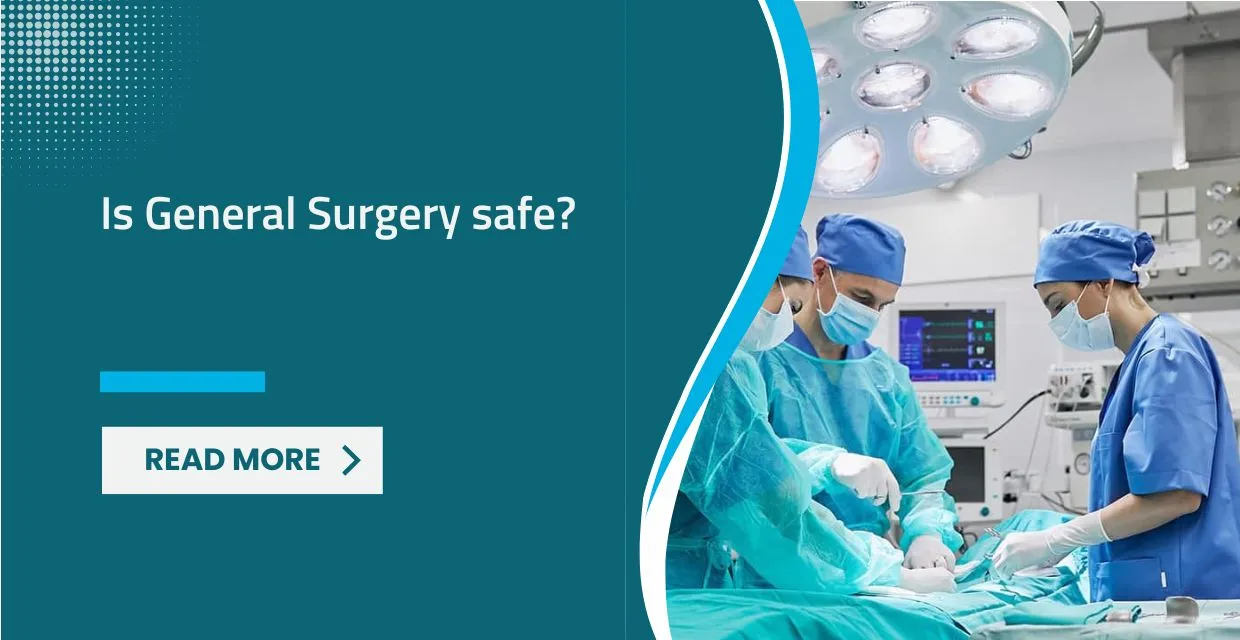
Is General Surgery Safe? Everything You Need to Know Before Your Procedure
The thought of undergoing surgery can be intimidating. Whether it is a routine appendectomy or a more complex procedure, it is natural to feel anxious about the risks involved. In the past, surgery was indeed a high-risk endeavor, but medical science has advanced exponentially over the last two decades. Today, general surgery is safer than it has ever been in human history.
At LifeCare Hospitals Kenya, your safety isn't just a priority—it is our entire operating philosophy. we combine world-class surgical expertise with the most advanced patient monitoring technologies to ensure that every procedure we perform meets the highest international safety standards. in this blog, we pull back the curtain on how we keep our patients safe in the operating room.
1. The Role of Advanced Anesthesia
One of the biggest fears people have is "not waking up" or "feeling everything" during surgery. However, modern anesthesia is incredibly precise.
- Specialized Anesthesiologists: At LifeCare, our anesthesiologists are highly trained physicians who stay with you throughout the entire procedure, monitoring your heart rate, blood pressure, and oxygen levels second-by-second.
- Better Medications: Modern anesthetic drugs are designed to wear off quickly and precisely, reducing the nausea and "brain fog" that used to follow older surgeries.
- Local and Regional Options: Whenever possible, we use "nerve blocks" or spinal anesthesia, which allows you to be sedated but breathing on your own, significantly reducing recovery time and risk.
2. Minimally Invasive Surgery (Laparoscopy)
Surgery is inherently safer when the incisions are smaller. Our "keyhole" (laparoscopic) techniques offer:
- Less Trauma: We use tiny cameras and miniature tools to perform the work, rather than making large incisions and moving healthy tissue out of the way.
- Reduced Blood Loss: Small incisions mean minimal bleeding.
- Faster Healing: Smaller wounds heal much faster and carry a drastically lower risk of infection.
3. Infection Control: Our Highest Standard
Post-surgical infection used to be a major risk. At LifeCare, we eliminate this through:
- HEPA-Filtered Operating Theaters: Our theaters use specialized air filtration systems that change the air dozens of times per hour, removing 99.9% of airborne particles and bacteria.
- Rigorous Sterilization: Every instrument is tracked and sterilized using industrial-grade autoclaves.
- Pre-Operative Antibiotics: We administer targeted antibiotics just before the first incision to ensure your body has an immediate defense against any potential germs.
4. Preparing the Patient (Pre-Hab)
Surgery is safer when the patient is in their best possible condition. Before any ELECTIVE procedure at LifeCare, we:
- Check your blood sugar and blood pressure.
- Conduct blood work and sometimes an ECG or Chest X-ray.
- Optimize your nutrition and hydration.
- A healthy patient on the table is a safe patient in recovery.
5. Post-Operative Monitoring and Care
Safety doesn't end when the surgeon puts down the scalpel.
Our Post-Anesthesia Care Unit (PACU) is staffed by specialized nurses
who monitor you as you wake up. We prioritize early movement (walking),
as this prevents blood clots (DVT) and pneumonia, which were
historically the most common surgical complications.
6. Transparency and Consent
We believe that an informed patient is a safer patient. Our surgeons take the time to explain exactly why you need surgery, what the procedure involves, and what the specific risks are for your unique body. We never rush the consent process; your comfort and understanding are vital to a successful outcome.
Conclusion: Expertise You Can Trust
While no medical procedure is ever 100% "risk-free," the risks of general surgery today at LifeCare Hospitals Kenya are lower than the risks of daily activities like driving a car. By choosing a hospital that invests in modern technology, rigorous safety protocols, and expert clinicians, you are choosing the best possible path to health.
If you have been putting off a necessary surgery because of fear, we invite you to visit us for a consultation. Let our surgeons show you the technology we use and talk you through our safety record. Don't let fear hold you back from the healing you deserve. At LifeCare, we aren't just performing operations—we are protecting lives. You are in safe hands here.
Frequently Asked Questions (FAQs)
What is the most common risk of surgery?
Minor risks include bruising at the incision site or nausea from anesthesia. More serious but rare risks include infection or blood clots. At LifeCare, we use blood-thinning medications and compression stockings to prevent clots during and after the procedure.
How long should I fast before surgery?
Generally, we require patients to have nothing to eat or drink (not even water) for **8 hours** before surgery. This is for your safety, as it prevents stomach contents from entering the lungs while you are under anesthesia.
Can I go home the same day?
Many laparoscopic procedures like gallbladder removal (cholecystectomy) or hernia repairs are now "day surgeries," meaning you can go home once you are fully awake and comfortable. For larger open surgeries, a stay of 2-3 days is usually required for safety.
Should I stop my smoker habit before surgery?
**Yes.** Smoking significantly reduces the oxygen in your blood and slows down the healing of your wound. It also increases the risk of lung complications during anesthesia. Stopping even just 2 weeks before surgery dramatically improves your safety.